
It depends on how close your site is to an aerodrome. In South Africa, structures planned near aerodromes trigger specific aviation compliance requirements before approvals are granted. The closer you are, the more that’s required. The two thresholds below tell you where your project stands.
SACAA Approved Obstacle Analysis & Reporting Services in South Africa
We provide you with an approved obstacle analysis report that SACAA with accept with quick turnaround so you can get your project underway quickly.
CAA obstacle approval CA139-27

CA139-27 Submission Ready Reports
SACAA Obstacle Assessment Specialists
obstacle assessment triggers
What triggers an aviation obstacle assessment?
Request an Obstacle AnalysisTrigger 01
Within 8km of an aerodrome
If your site is within 8km, you need a Civil Aviation Sensitivity Study (a specialist aviation report required as part of your EIA approval) and an Obstacle Approval Application (CA139-27) before construction can start. Both must come from a certified provider. Neither is optional.
Trigger 02
Within 15 - 35km of a major aerodrome or radar
Your EIA practitioner must run the DFFE Screening Tool. If your project comes back medium or high sensitivity, which wind farms, solar facilities, and tall masts often do, a specialist Civil Aviation Sensitivity Study is required before your EIA approval can be granted.
obstacle assessment triggers
Here's how the process works and what you will get
01
We review your site and scope the assessment
You provide your site coordinates and project details. We confirm for you which assessments apply to your project, what regulatory requirements are triggered.
02
We run the technical analysis
We assess your proposed structure against the protected airspace around the nearest aerodrome, flight paths, and navigation infrastructure, then come back with findings.
03
You receive a certified report
The report tells you whether a conflict exists, where it sits, and what your options are if mitigation is needed. Written to be understood by your project team and accepted by SACAA.
04
Your approval process keeps moving
The report is submission-ready for your EIA process, your Obstacle Approval Application (CA139-27), or both. We tell you where it needs to go and what it needs to say. You hand it over and move forward.
Get a submission-ready report with a fast turnaround
Request an Obstacle AnalysisIMPORTANT NOTE
In South Africa, an obstacle assessment report from a non-Part-178-certified provider will not be accepted by SACAA.
Speak to our certified teamwhat most miss
There are two separate aviation compliance steps.
phase 02 - construction phase
Obstacle Approval Application (CA139-27)
The CA139-27 goes directly to SACAA — not your EIA practitioner, not DFFE. You are responsible for this submission. SACAA reviews the assessment and either approves your structure, approves it with conditions (such as height limits or aviation lighting), or rejects it.
This step catches most developers off guard because it sits outside the EIA process entirely.
A surprise submission at that stage is expensive.
Missed at this stage:
Your construction permit is blocked. The project is funded, authorised, and ready to build, but it cannot legally proceed until this submission is complete and approved.

PHASE 01 — EIA PHASE
Civil Aviation Sensitivity Study (CASS)
Your EIA practitioner commissions the CASS on your behalf during the scoping phase. We assess whether your structure creates a conflict with protected airspace. The finding goes into your EIA application. DFFE uses it to decide whether Environmental Authorisation can be granted — and on what conditions.
Get it scoped late and it adds weeks to your EIA. Most delays here are avoidable.
Missed at this stage:
Your EIA stalls. Environmental Authorisation is delayed. Everything behind it, financing, construction, commissioning, moves with it.

the structure types that we assess
Your structure type determines your compliance requirement

Wind Farms & Turbines
Turbine height and blade rotation regularly conflict with protected airspace.
What we assess

Solar Facilities
Large reflective panels near aerodromes can trigger an assessment for a glint and glare near runway approaches.
What we assess
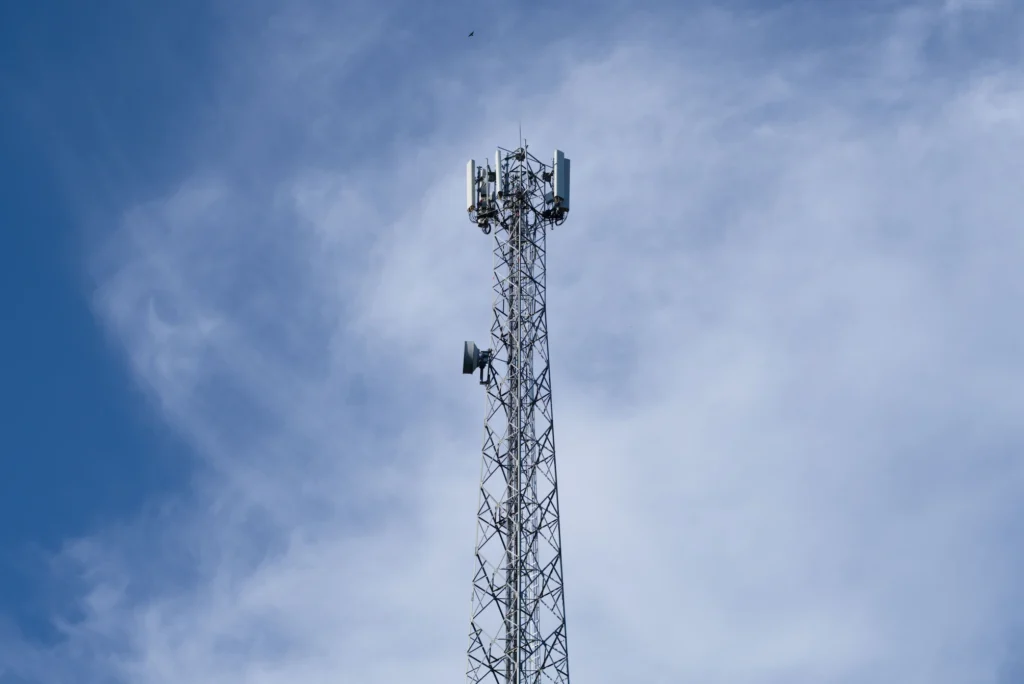
Masts & Towers
Height and position relative to approach and departure paths matters with masts and towers.
What we assess

Buildings & New Developments
Height and bulk near an aerodrome affect protected airspace. New builds and extensions both require assessment.
What we assess

Powerlines
Route, span and height determine the conflict. A line crossing a flight path requires assessment.
What we assess

Substations / Other Infrastructure
Many infrastructure elements and substations near aerodromes also require these assessments.
What we assess
If your project is listed above, we can help you
Request an Obstacle AnalysisRequest an Aviation Obstacle Assessment
Fill in the form below and a PMV specialist will review your project details and respond within one business day.
Prefer a direct connection? You can also reach us using the details below:
request an assessment
Obstacle Assessment Request Form
Our industry partner helping us serve you better